
-
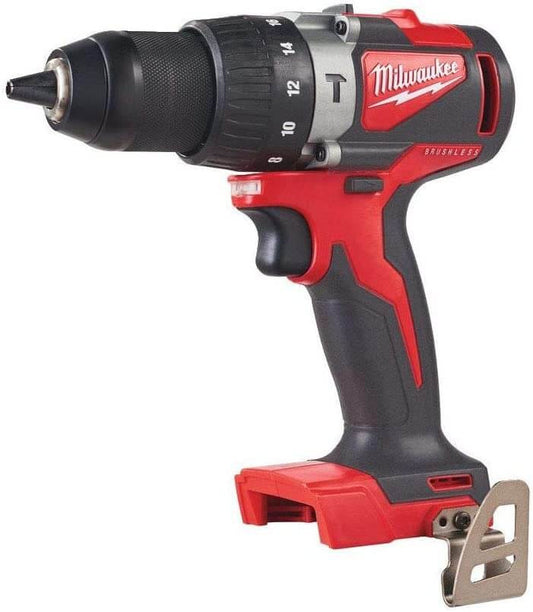
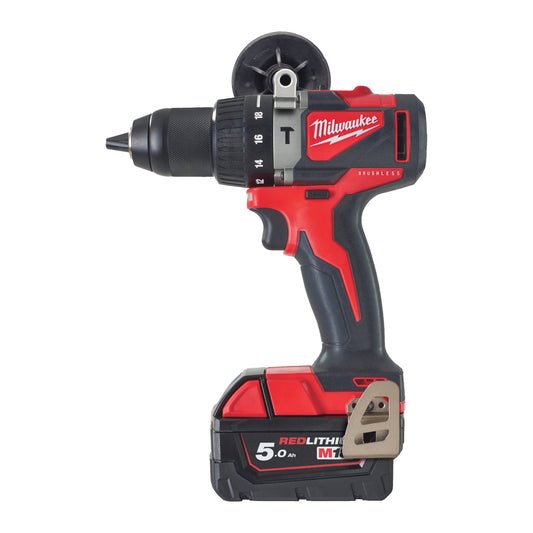
18V 82Nm Hammer Drill with Milwaukee M18 BLPD2-0X Case
Vendor:MILWAUKEERegular price 980,00 złRegular priceUnit price per1.543,00 złSale price 980,00 złSale -
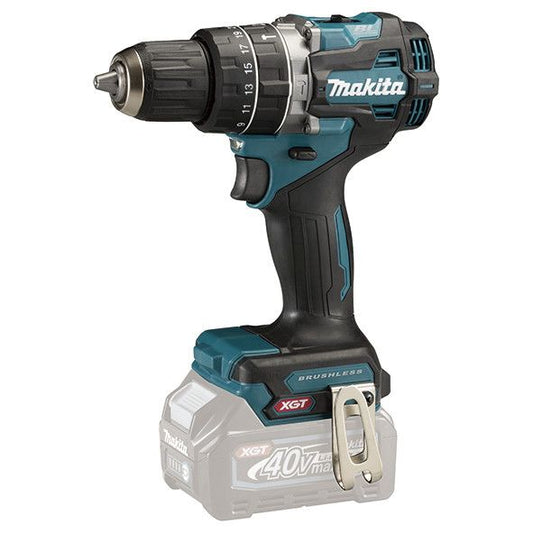
Combined drill BL 40VMax XGT 64Nm Makita HP002GZ
Vendor:MAKITARegular price 640,00 złRegular priceUnit price per1.030,00 złSale price 640,00 złSale -
Light hammer 800W 26mm 3 modes with case Makita M8701B
Vendor:MAKITARegular price 606,00 złRegular priceUnit price per898,00 złSale price 606,00 złSale -
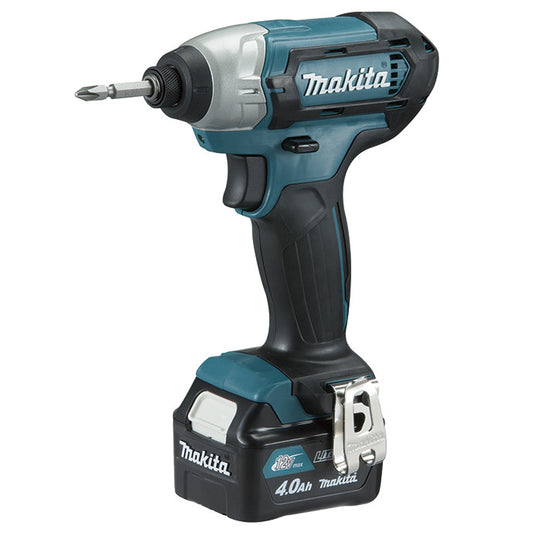
Hammer Drill Set + 12V Impact Screwdriver + Metal Case + 2 Makita CLX228SMX1 4Ah Batteries
Vendor:MAKITARegular price 1.512,00 złRegular priceUnit price per1.823,00 złSale price 1.512,00 złSale -
18V Li-i Impact Drill with 2 batteries + charger + case Einhell TC-CD 18-2
Vendor:EINHELLRegular price 740,00 złRegular priceUnit price per791,00 złSale price 740,00 złSale -
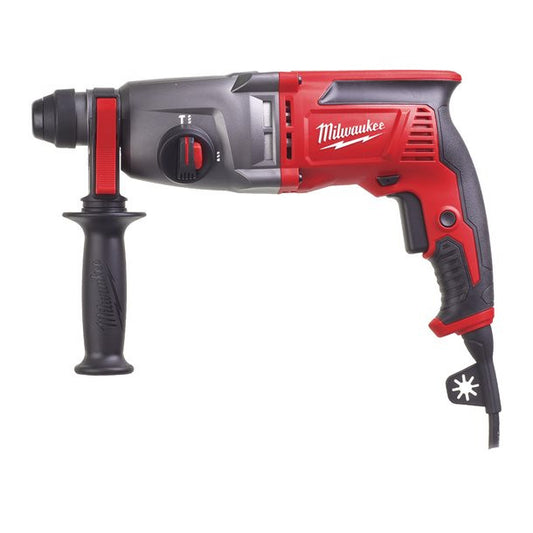
Rotary Hammer 2 modes SDS-PLUS 26MM PFH26T Milwaukee
Vendor:MILWAUKEERegular price 750,00 złRegular priceUnit price per1.110,00 złSale price 750,00 złSale -
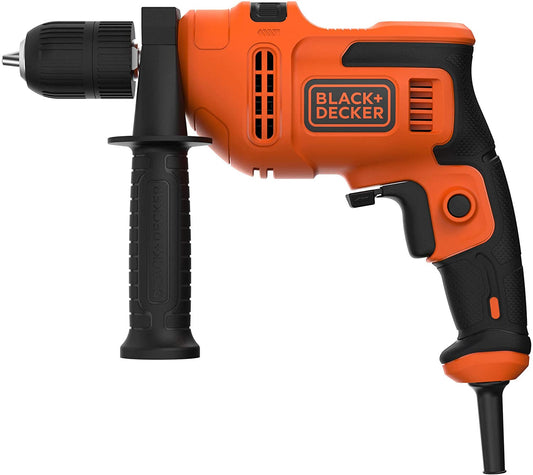
Black+Decker 500W BEH200-QS hammer drill
Vendor:BLACK + DECKERRegular price 135,00 złRegular priceUnit price per211,00 złSale price 135,00 złSale -
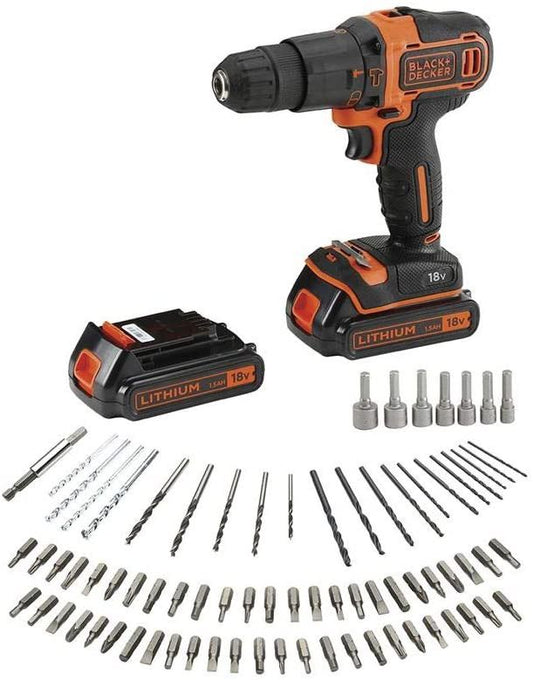
18V Hammer Drill + 104-piece kit with Titanium Drill Bits + 2 1.5Ah bats + Black+Decker BDCHD18S2KA-QW case
Vendor:BLACK + DECKERRegular price 612,00 złRegular priceUnit price per830,00 złSale price 612,00 złSold out -
SDS-Plus 18V 3.2J cordless drill hammer with Einhell HEROCCO 36/28 case
Vendor:EINHELLRegular price 953,00 złRegular priceUnit price per1.238,00 złSale price 953,00 złSale -
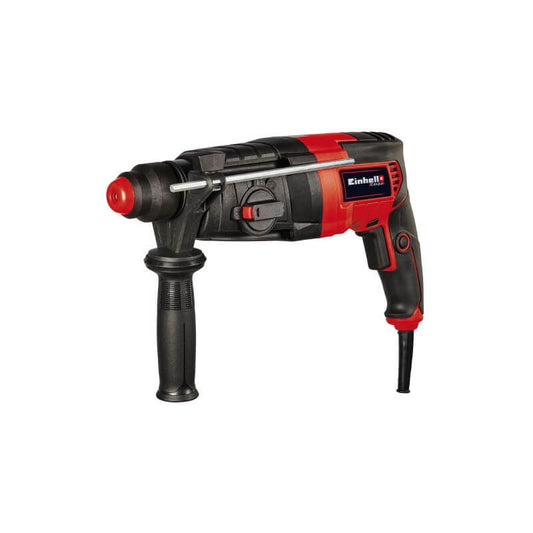
SDS-Plus 800W 3J Electro-Pneumatic Hammer with Einhell TC-RH 800 4F case
Vendor:EINHELLRegular price 492,00 złRegular priceUnit price per528,00 złSale price 492,00 złSale -
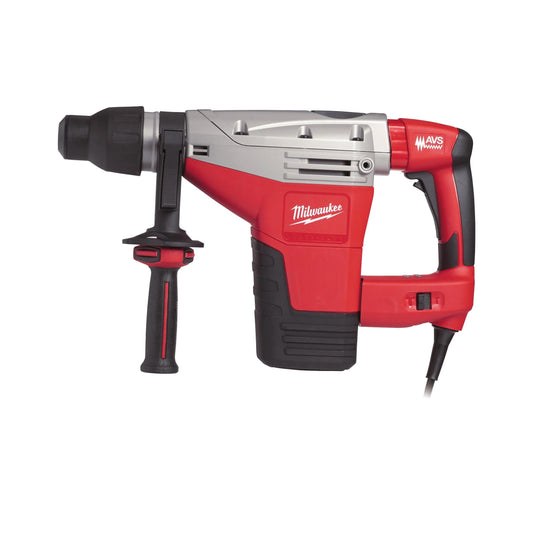
SDS-MAX 5kg combination hammer with Milwaukee K545S case
Vendor:MILWAUKEERegular price 2.848,00 złRegular priceUnit price per4.448,00 złSale price 2.848,00 złSold out -
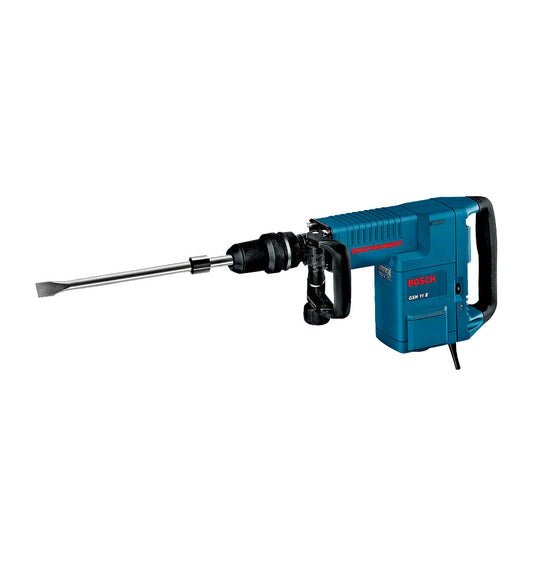
SDS Max 1500W 16.8J demolition hammer Bosch GSH 11 E
Vendor:BOSCHRegular price 3.798,00 złRegular priceUnit price per3.798,00 złSale price 3.798,00 zł -
Einhell SDS-Plus 4J TC-RH 1600 hammer drill
Vendor:EINHELLRegular price 681,00 złRegular priceUnit price per681,00 złSale price 681,00 złSold out -
TE-DH 50 Einhell 1700W demolition hammer
Vendor:EINHELLRegular price 2.098,00 złRegular priceUnit price per3.169,00 złSale price 2.098,00 złSale -
Makita 1100W 40mm SDS-MAX 2-mode combination hammer HR4003C
Vendor:MAKITARegular price 2.770,00 złRegular priceUnit price per3.809,00 złSale price 2.770,00 złSale -
Black+Decker Hammer Drill 18V + 80 Accessories 2 Bat 1.5Ah with Box BDCHD18BAFC-QW
Vendor:BLACK + DECKERRegular price 466,00 złRegular priceUnit price per698,00 złSale price 466,00 złSale -
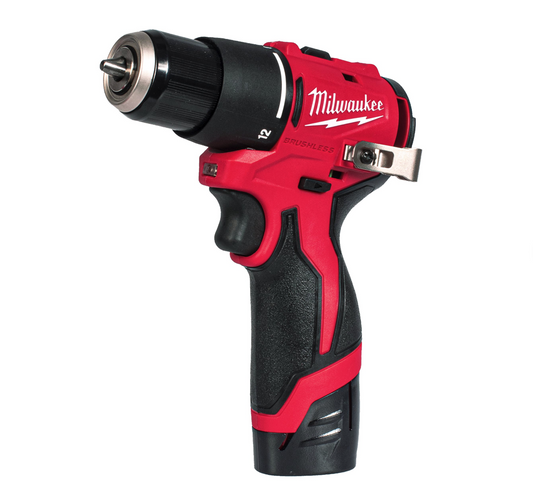
Milwaukee M12 Subcompact Hammer Drill + 2Ah Battery + Charger + Carrying Case M12 BLPDRC-202C
Vendor:MILWAUKEERegular price 1.321,00 złRegular priceUnit price per1.321,00 złSale price 1.321,00 zł -
Milwaukee M18 FHX-552X 26mm SDS-Plus Hammer Drill with Fixtec 2.5J + 2 5.5Ah batteries + Charger + Case
Vendor:MILWAUKEERegular price 4.797,00 złRegular priceUnit price per4.797,00 złSale price 4.797,00 zł -
Milwaukee M18BLPD2-502X Brushless Hammer Drill
Vendor:MILWAUKEERegular price 2.157,00 złRegular priceUnit price per3.592,00 złSale price 2.157,00 złSale -
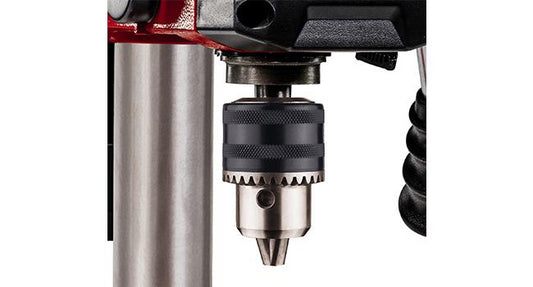
Column drill TC-BD 450 E 450W Einhell
Vendor:EINHELLRegular price 612,00 złRegular priceUnit price per951,00 złSale price 612,00 złSale -
Makita M8104B 480w 13mm Hammer Drill
Vendor:MAKITARegular price 275,00 złRegular priceUnit price per423,00 złSale price 275,00 złSale -
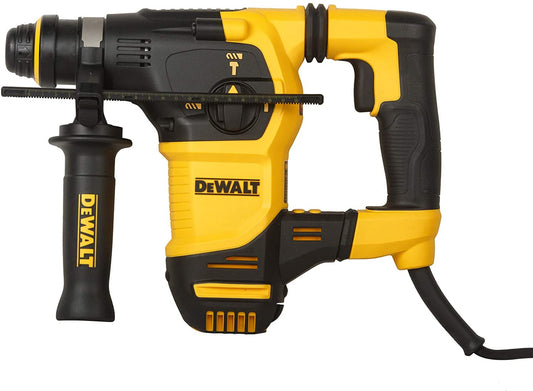
Dewalt SDS-Plus 950W Light Hammer with Case D25333K
Vendor:DEWALTRegular price 1.613,00 złRegular priceUnit price per1.643,00 złSale price 1.613,00 złSale -
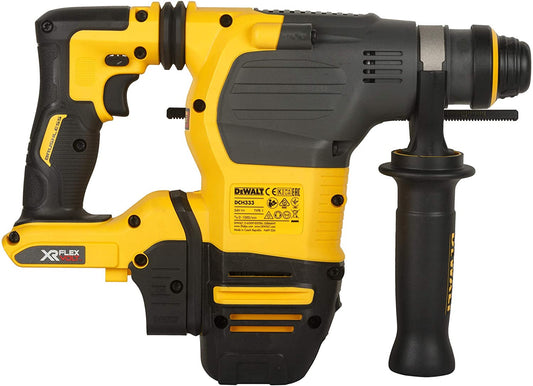
Dewalt DCH333NT Brushless Electro-Pneumatic Hammer XR FLEXVOLT 54V SDS-Plus 3.5J
Vendor:DEWALTRegular price 2.030,00 złRegular priceUnit price per2.272,00 złSale price 2.030,00 złSale -
MXT 18V SDS-Plus 2J Light Hammer Makita DHR202ZJ
Vendor:MAKITARegular price 1.609,00 złRegular priceUnit price per1.609,00 złSale price 1.609,00 zł
























Quality drilling in Brikum
Have you ever had to hang a picture on the wall and found yourself without the right tool? If so, you know how frustrating it can be. This is where a drill comes in. Buying a drill not only makes your life easier, but it also opens up a world of possibilities around the home.
Choosing the right drill can make all the difference in your DIY and construction projects. That's why at Brikum, we offer a carefully selected range of drills designed to meet all your needs. Whether you're looking for a hammer drill to drill through harder materials, a cordless drill for greater freedom of movement, or a pillar drill for precision work, you'll find the perfect model for you on our e-commerce site.
First, imagine you want to build a shelf to better organize your space. With a drill, there's no need to struggle with rudimentary tools. The drill allows you to drill precise and secure holes, ensuring the shelf is firmly secured. Plus, if you ever need to make repairs, a drill becomes your best friend. From tightening loose screws to drilling holes for brackets, the drill is a versatile and essential tool.
Cordless drill
Purchasing a cordless drill not only gives you freedom and mobility, but also allows you to work in any corner of your home without worrying about annoying cords. With a cordless drill, you don't have to worry about finding a nearby outlet or dealing with tangled cords. The autonomy a cordless drill offers allows you to move freely, completing your tasks efficiently and without interruptions.
A cordless drill is a portable power tool that has revolutionized DIY and construction tasks, allowing users greater freedom of movement and flexibility in their projects. This type of drill is powered by a rechargeable battery, eliminating the need for nearby cords and power outlets, making it ideal for working anywhere, from a home workshop to a construction site.
Plus, modern cordless drills are incredibly powerful and versatile. Not only do they drill through wood and metal with ease, but they also come with multiple speed and torque settings, adapting to any project you have in mind. From assembling furniture to making repairs in hard-to-reach places, a cordless drill is your best friend.
Another great advantage of cordless drills is their portability. You can take them with you anywhere, whether to help a friend with their DIY project or to work on different areas of your home without having to carry extension cords. Current models also feature long-lasting batteries and fast charging times, ensuring your drill is always ready when you need it.
Cordless drills also typically come with a variety of accessories and interchangeable bits, further increasing their versatility. There's no longer a need to carry multiple tools; a single cordless drill can perform multiple functions, from drilling to driving screws and much more.
Cordless drill
A cordless drill is an essential and highly versatile power tool for any DIY enthusiast or professional. The main advantage of cordless drills over their corded counterparts is the portability and freedom of movement they offer, eliminating the need to have a nearby power source or deal with cords that can be cumbersome and restrict working range.
Cordless drills operate on rechargeable batteries, typically lithium-ion, which have revolutionized the market thanks to their lightness, fast charging capabilities, and long battery life, without the memory effect that diminished the efficiency of older batteries. This technology allows cordless drills to be just as powerful as many corded models, capable of performing a wide range of tasks, from simple drilling to the most demanding screwdriving.
When choosing a cordless drill, it's important to consider several factors to ensure it meets your needs. Battery voltage is an indicator of the drill's power; models generally range from 12V to 20V or higher for professional applications. A higher voltage generally means more power and torque, but it can also increase the drill's weight.
Cordless drills also offer features like multiple speed and torque settings, making them suitable for a variety of materials and screw types. A keyless chuck makes it easy to quickly change bits, and additional settings like hammer drill mode on some models further expand their usefulness, allowing drilling into harder materials like concrete.
Modern cordless drills are equipped with long-lasting batteries and powerful motors, meaning they can drill through materials like wood, metal, and even concrete with ease. Plus, they typically have multiple speeds and torque settings, making them extremely versatile for any type of project.
Another advantage is the variety of accessories and interchangeable bits that cordless drills typically include. This increases their versatility and allows you to perform multiple tasks with a single tool. From drilling to driving screws, a cordless drill is a complete solution for your DIY needs.
Hammer drill
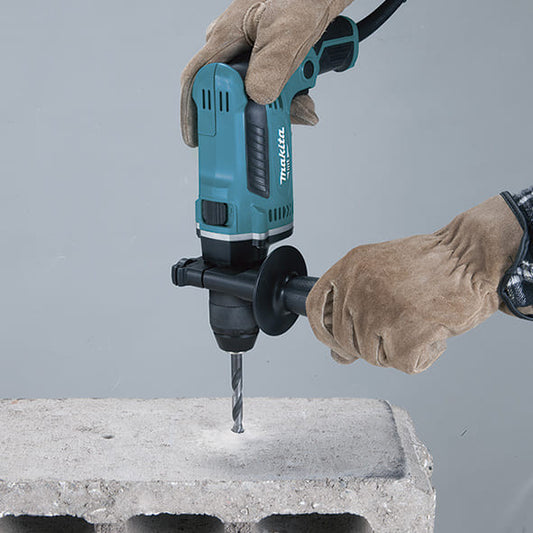
A hammer drill is an essential and highly versatile tool for any DIY enthusiast or construction professional. This type of drill stands out from traditional models by its ability to perform two functions simultaneously: rotating the drill bit and providing a percussion or tapping motion. This combination allows for more efficient drilling in hard materials such as concrete, stone, or brick, where a conventional drill might not be sufficient.
The main advantage of the hammer drill lies in its percussion mechanism, which facilitates penetration into tough materials through rapid impact movements. This reduces the required effort and significantly speeds up the drilling process. Furthermore, most hammer drill models have the option to deactivate the percussion function, allowing them to be used as a conventional drill for working in wood, metal, or plastic, making them extremely versatile and practical tools.
When to use a hammer drill
Using a hammer drill can make a world of difference in your DIY projects, especially when working with tough, durable materials. This tool combines the rotary action of a conventional drill with a percussive motion that allows you to drill through denser, more difficult materials.
Drilling Concrete and Masonry
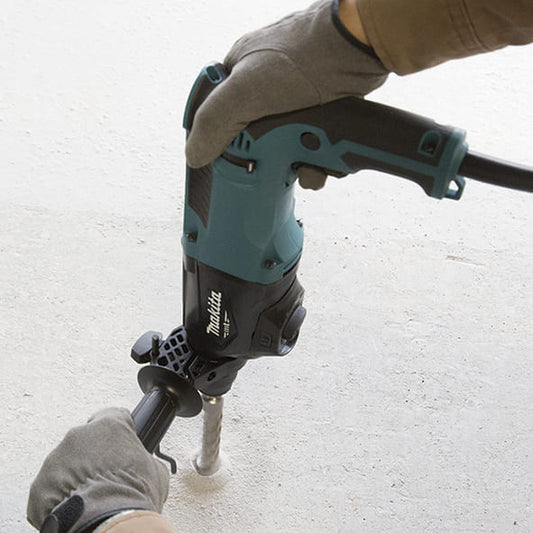
If you need to make holes in concrete, brick, or stone walls, a hammer drill is the tool for you. Its impact action makes it effortless to drill through these hard materials, something that would be virtually impossible with a regular drill. So, if you're installing shelves, pictures, or anchoring systems in concrete or masonry walls, a hammer drill is your best option.
Work in Construction and Works
In construction or renovation projects, it's often necessary to drill through hard surfaces to pass electrical cables, pipes, or other structural elements. A hammer drill is essential for these tasks, as its power and impact action allow for precise, deep holes in sturdy building materials.
Heavy Installations
If you're mounting heavy equipment, such as air conditioning units, boilers, or metal structures, to a concrete or brick wall, a hammer drill will help you secure anchors safely and effectively. Its ability to drill through hard materials ensures a solid and long-lasting installation.
Repair and Maintenance Work
For outdoor repairs, such as securing fence posts or installing garden lights on stone surfaces, a hammer drill is ideal. It allows you to drill holes in hard, sturdy outdoor surfaces, ensuring a secure and stable attachment.
Advantages of a cordless hammer drill
Cordless hammer drills combine the power and versatility of a hammer drill with the convenience and mobility of a cordless tool.
Mobility and comfort
- Freedom of movement: By not relying on a cord, you can take your cordless hammer drill anywhere, which is especially useful for outdoor work or in hard-to-reach places where there are no power outlets.
- Portability: Cordless hammer drills are easy to transport, making them ideal for professionals who move between different work sites.
Versatility and flexibility
- Use in a variety of materials: These drills are capable of drilling both hard materials such as concrete and masonry, thanks to their percussion function, and softer materials such as wood and metal, when the percussion function is disabled.
- Multiple Applications: You can use the same drill for drilling, screwdriving, and light demolition tasks, reducing the need for multiple tools.
Performance and power
- High power: Modern cordless hammer drills are equipped with high-capacity batteries (usually lithium-ion), which provide constant, long-lasting power.
- Speed and torque adjustments: Most models allow you to adjust the speed and torque, allowing you to match the tool to the material and type of task, ensuring a precise and efficient result.
Ease of use
- Ergonomics: Cordless hammer drills are designed with user comfort in mind, with ergonomic and balanced handles that reduce fatigue during extended use.
- Easy handling: The absence of cables eliminates tangles and makes it easier to handle the drill in tight or hard-to-reach spaces.
Advanced technology
- Lithium-ion batteries: Modern batteries offer longer battery life and faster charging times. They also hold their charge longer when not in use.
- Battery indicators: Many models include charge indicators, allowing you to monitor the battery level and plan your work time without unexpected interruptions.
Security
- Reduced risk of tripping: The absence of cables reduces the risk of trips and falls, improving workplace safety.
- Overload protection: Many cordless hammer drills have overload and overheat protection systems, which extend the life of the tool and battery.
Efficiency and productivity
- Fewer interruptions: Swappable batteries allow you to continue working without interruption by simply swapping a depleted battery for a charged one.
- Interchangeable accessories: Compatibility with a wide range of drill bits and accessories increases the drill's functionality, allowing you to perform a variety of tasks with a single tool.
Hammer
The hammer is one of the oldest and most fundamental hand tools in a wide variety of trades, including carpentry, construction, metalworking, and many other manual labor jobs. Its simple yet effective design makes it an indispensable tool for striking, setting, or removing nails, as well as for shaping or breaking various materials.
There are several types of hammers, each designed for specific purposes. Some of the most common include:
Claw hammer: This is the most recognized and widely used type of hammer in carpentry. Its flat head is used for striking, while the rear part, the "claw," is designed to extract nails. It's an essential tool for any project involving wood.
Ball-peen hammer: Commonly used in metalworking, the ball-peen hammer has a round head on one side that is used to shape metal and smooth surfaces.
Rock hammer: This type has a flat head on one side and a conical tip on the other. It's useful for jobs that require precise blows, such as in mechanics or blacksmithing.
Rubber mallet: Designed to apply force without damaging delicate surfaces. The rubber head is ideal for joining wood pieces without scoring them or for working with sheet metal.
Demolition hammer: With a much heavier head, this hammer is used to break up hard materials like concrete. It's often used in renovations and demolition work.
Choosing the right hammer depends on the job at hand. Important considerations include the weight of the hammerhead, which can range from a few ounces to several kilograms, depending on the type of hammer and the job it's designed for. A heavier weight provides more striking force, but also requires more strength from the user and can increase fatigue. Handle length is also important, as a longer handle offers more leverage and therefore more striking power, but can be more difficult to control for precision work.
The handle material is another factor to consider. Wooden handles absorb impact well and offer a classic feel, but they can break with intensive use. Fiberglass and metal handles are more durable and impact-resistant, but can transmit more vibration to the user.
Rubber mallet
The rubber mallet is an essential tool in a variety of fields, from construction and carpentry to tile laying and sheet metal work. Unlike traditional steel hammers, the rubber mallet is designed to apply force without damaging the surface being worked on. Its soft rubber head cushions the impact, making it ideal for tasks that require a more delicate touch.
One of the main advantages of the rubber mallet is its ability to strike hard or delicate surfaces without leaving marks, dents, or damage. This makes it indispensable for installing wood, laminate, ceramic, or any other flooring material where the aesthetic integrity of the surface is crucial. It is also widely used in the automotive industry and furniture manufacturing, where the surface finish must not be compromised.
The design of a rubber mallet typically includes a solid or semi-solid rubber head mounted on a handle, which can be made of wood, fiberglass, or metal, depending on the model and intended use. The rubber comes in various hardnesses, adapting to a wide range of applications. Softer versions are perfect for very delicate work, while harder ones are used in applications that require more force but without the risk of damaging the work surface.
Another important feature of the rubber mallet is its versatility. Some models come with interchangeable heads of different sizes and hardnesses, allowing the user to tailor the tool specifically to the task at hand. This flexibility makes it even more valuable in environments where multiple types of materials are worked.
Ergonomics also plays a vital role in the design of these hammers. The handles are designed to offer a comfortable and secure grip, reducing user fatigue during prolonged use. Additionally, the tool's overall balance ensures the right amount of force can be applied without excessive strain, improving accuracy and work efficiency.
Hammer drill
The hammer drill, also known as a demolition or rotary hammer, is a powerful power tool designed for heavy-duty drilling, chiseling, and demolition work, especially in very hard materials such as concrete, stone, or asphalt. Unlike hammer drills, rotary hammers specialize in tasks requiring greater impact force, making them ideal for construction, renovation, and demolition work.
The main feature of a hammer drill is its striking action mechanism, which combines rotation with percussion to achieve effective drilling in extremely hard materials. This mechanism allows the tool to deliver significantly more impact energy compared to a hammer drill, making it easier to perform tasks that would be nearly impossible or very slow to complete with other tools.
In addition, many modern hammer drills offer additional features such as variable speed control, a safety clutch to protect the user if the bit jams, and selectable operating modes (rotation only, percussion only, or a combination of both) to suit different types of work.
It's important to note that, given their specific design for heavy-duty work, hammer drills are not suitable for fine or delicate drilling in materials such as wood or metal. For these jobs, a drill/driver or hammer drill would be more appropriate.